









1
Trains itself
On your spend, your sales and everything the brain already knows. Refreshed on its own.
2
Plans the budget
Where the next euro pays most, for the next 14 days.
3
Applies it
New budgets applied in your ad accounts, after your approval.


Why use a marketing mix model?
Every channel measured in one place
Measure the impact of offline and online media on Amazon, Retail and your eCommerce in one platform

Plan and forecast marketing investment more accurately
Simulate different scenarios outcome and choose the one that maximizes your sales
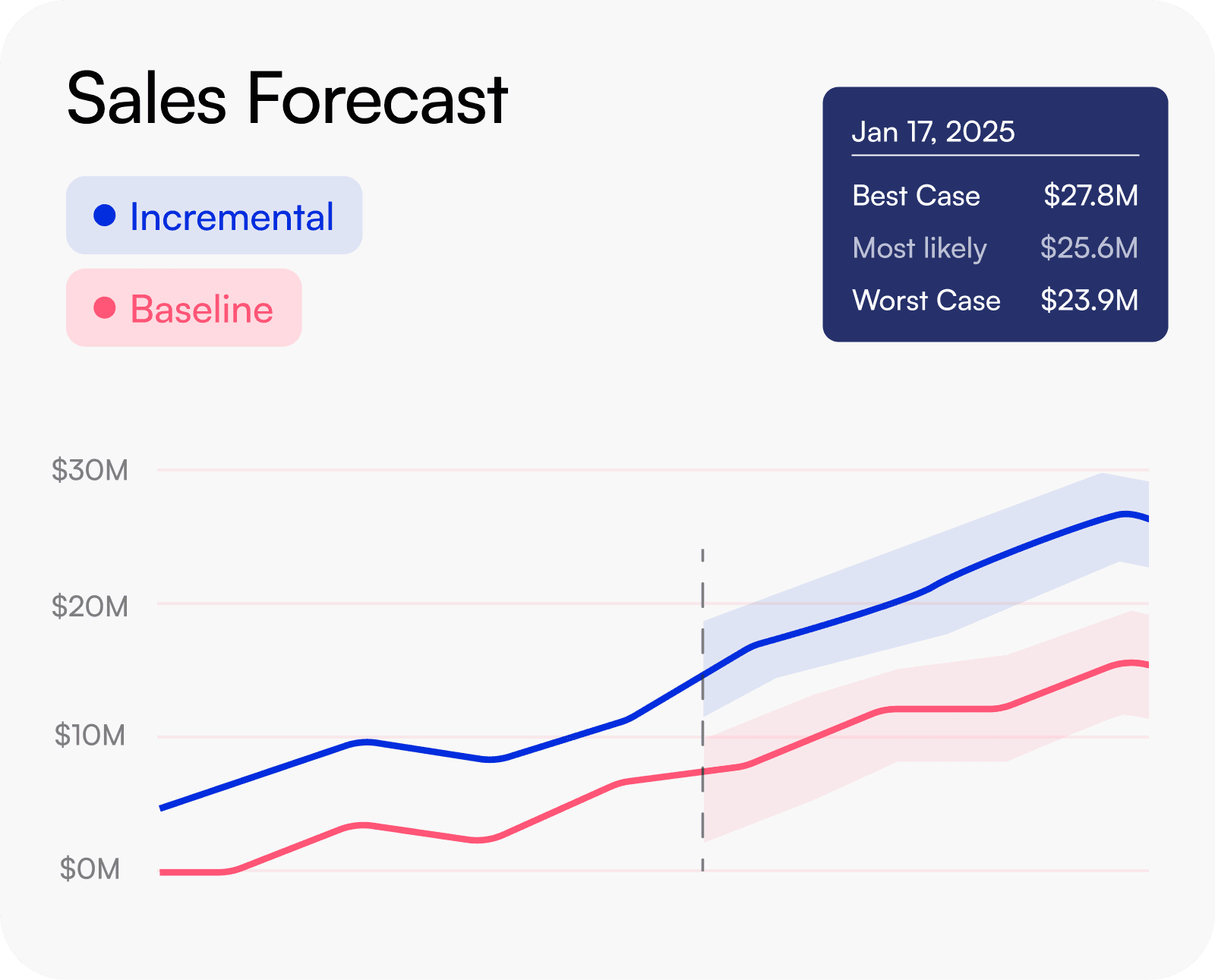
Increase confidence in marketing allocation decision
The budget allocator turns the model into a plan, and with your approval applies the new budgets directly in your ad accounts.
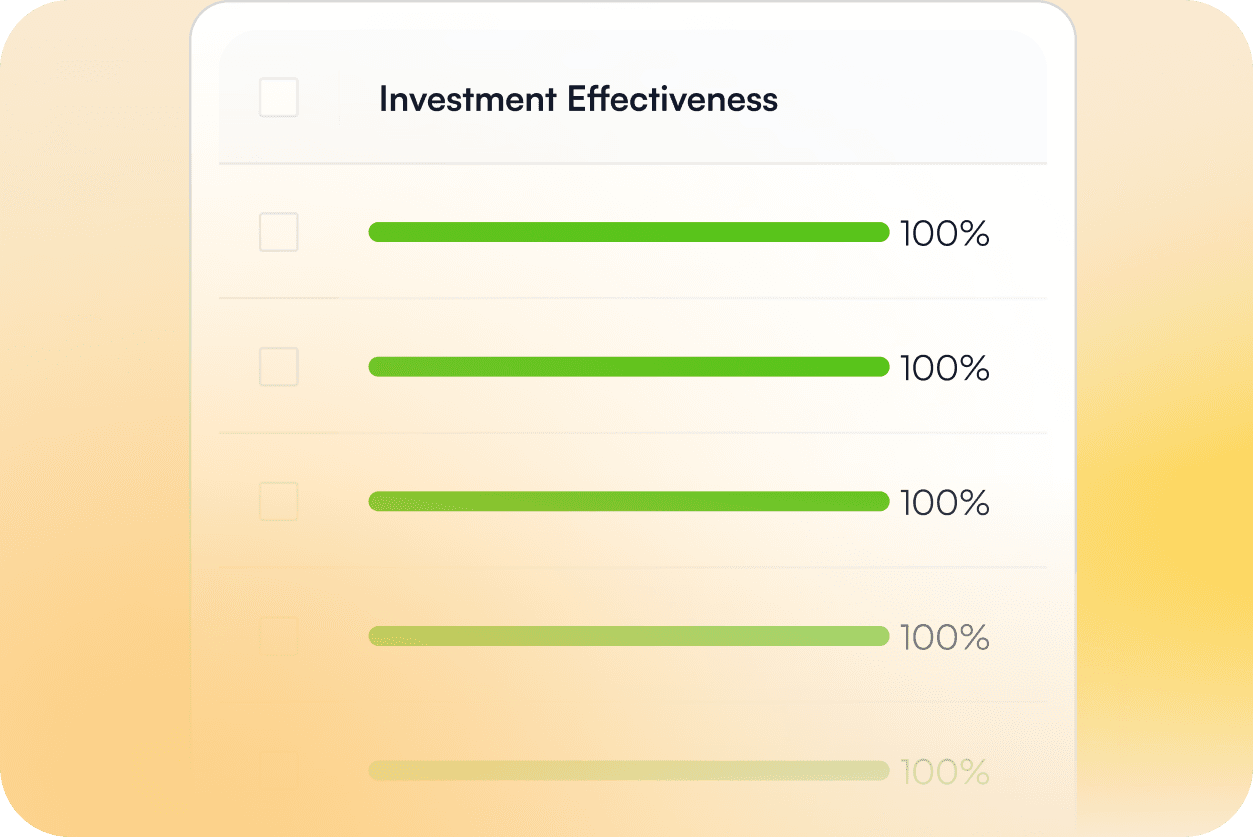
Compare returns before you commit the budget
Compare allocation scenarios, understand uncertainty and check the result after the decision.
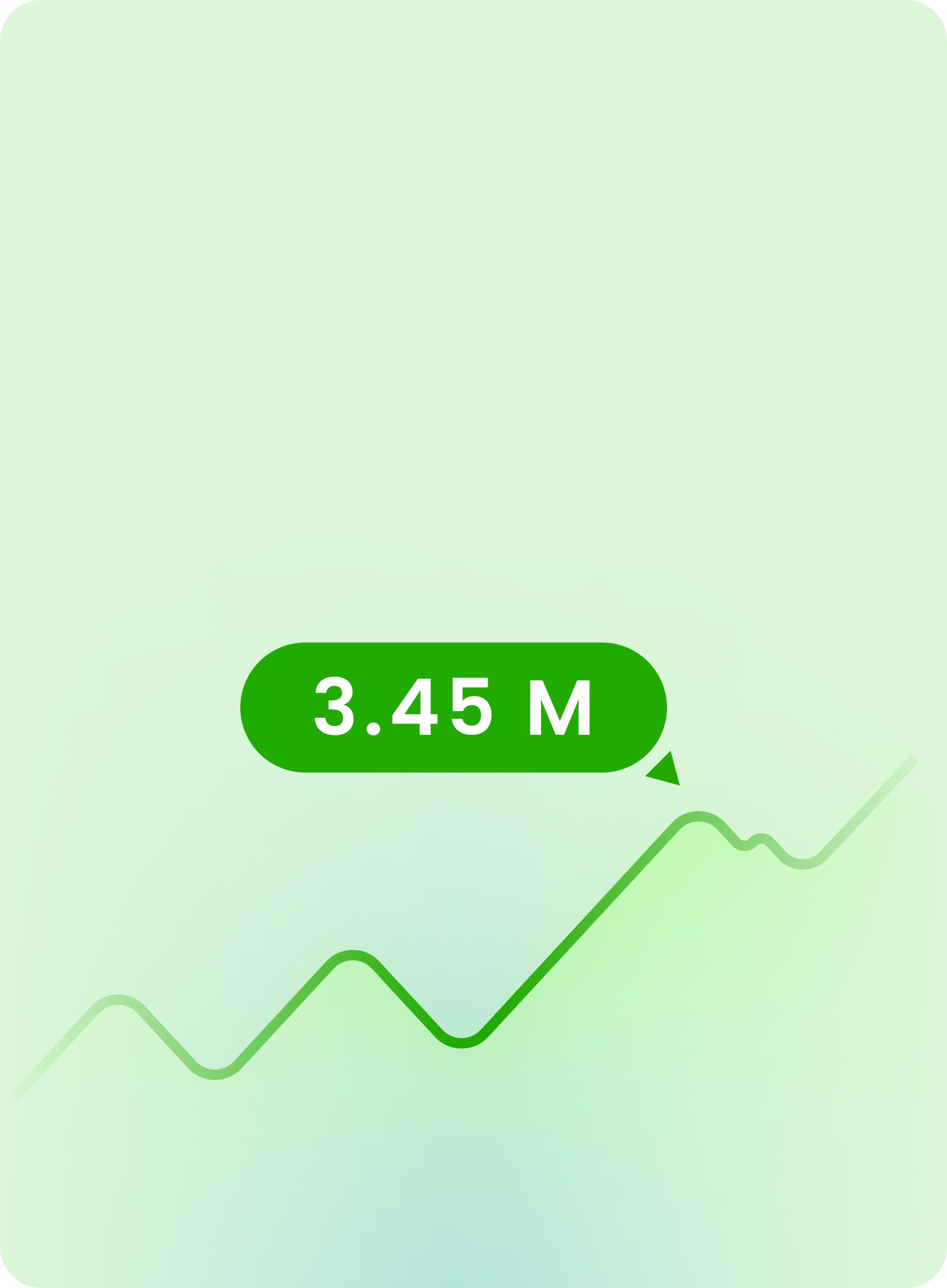





Unlock key growth insights
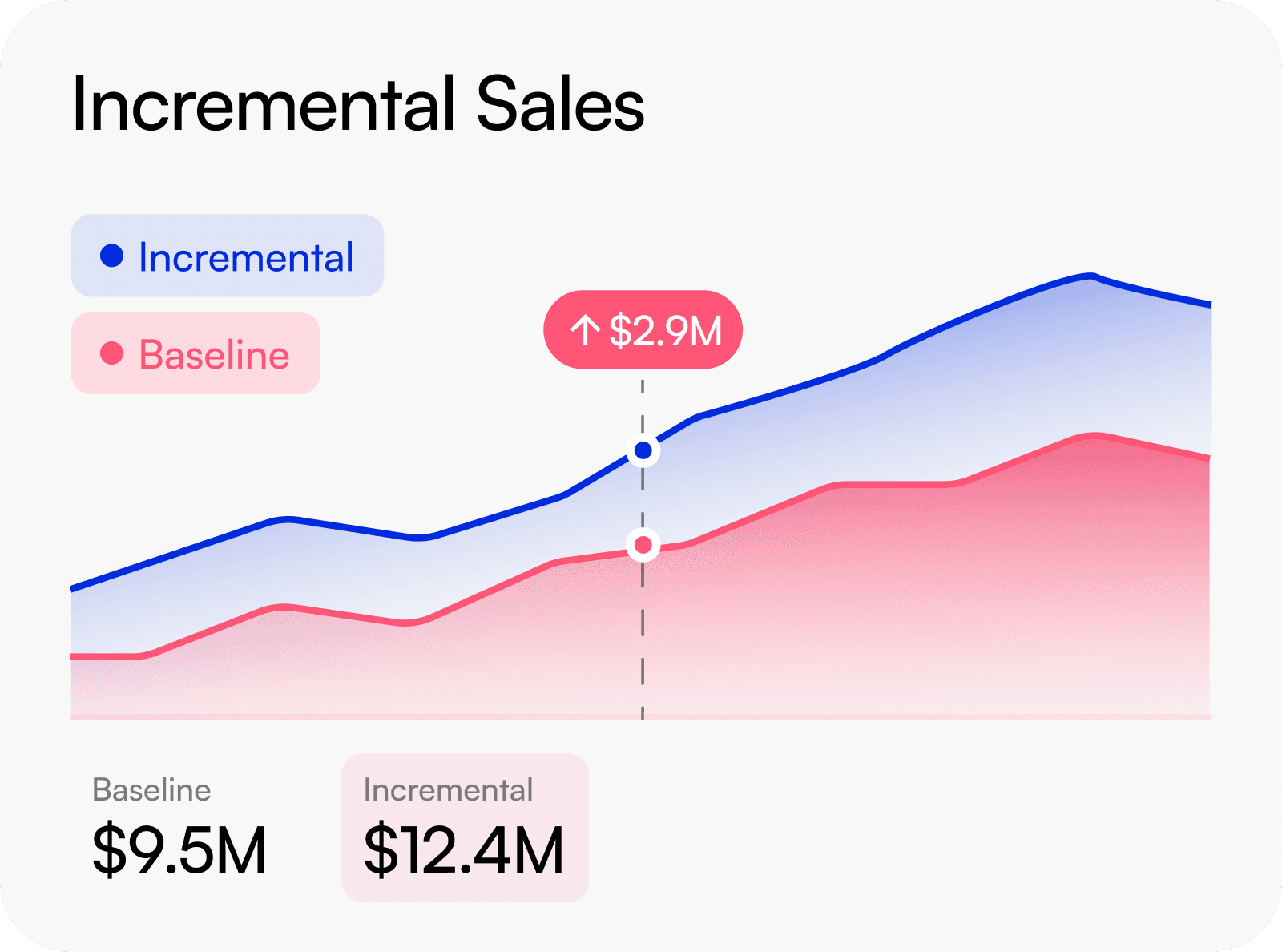
Measure the sales each euro really caused
Don’t measure where purchases come from, measure how many incremental sales you generate from your investments
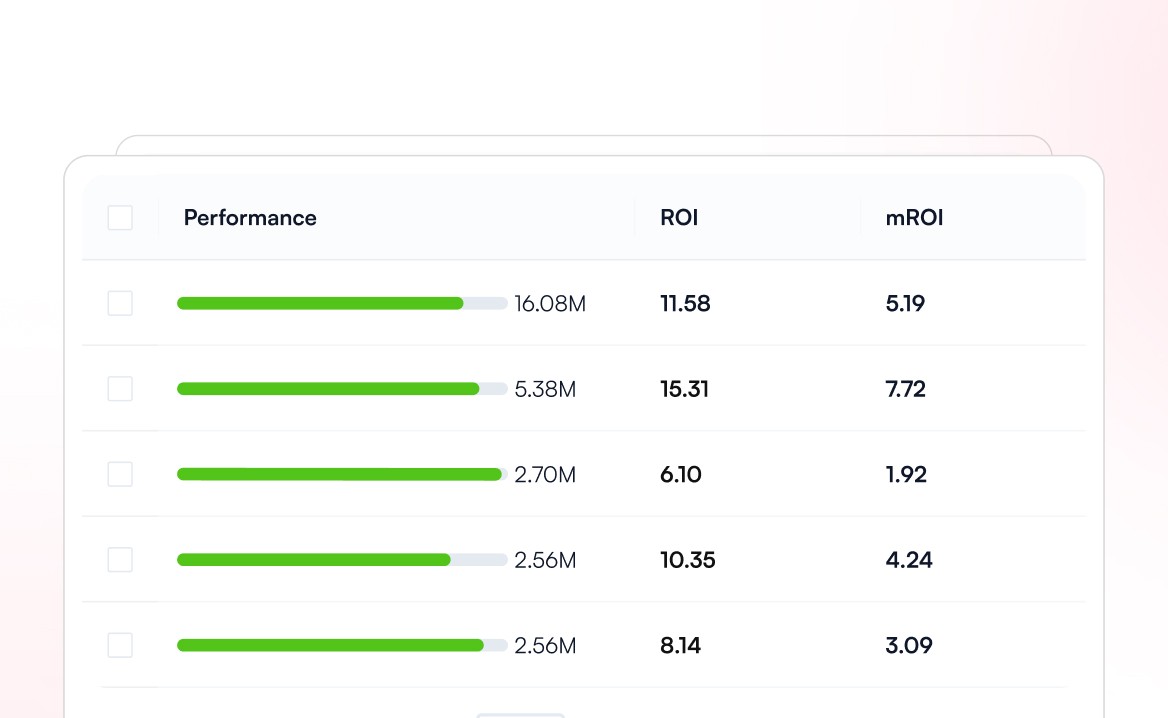
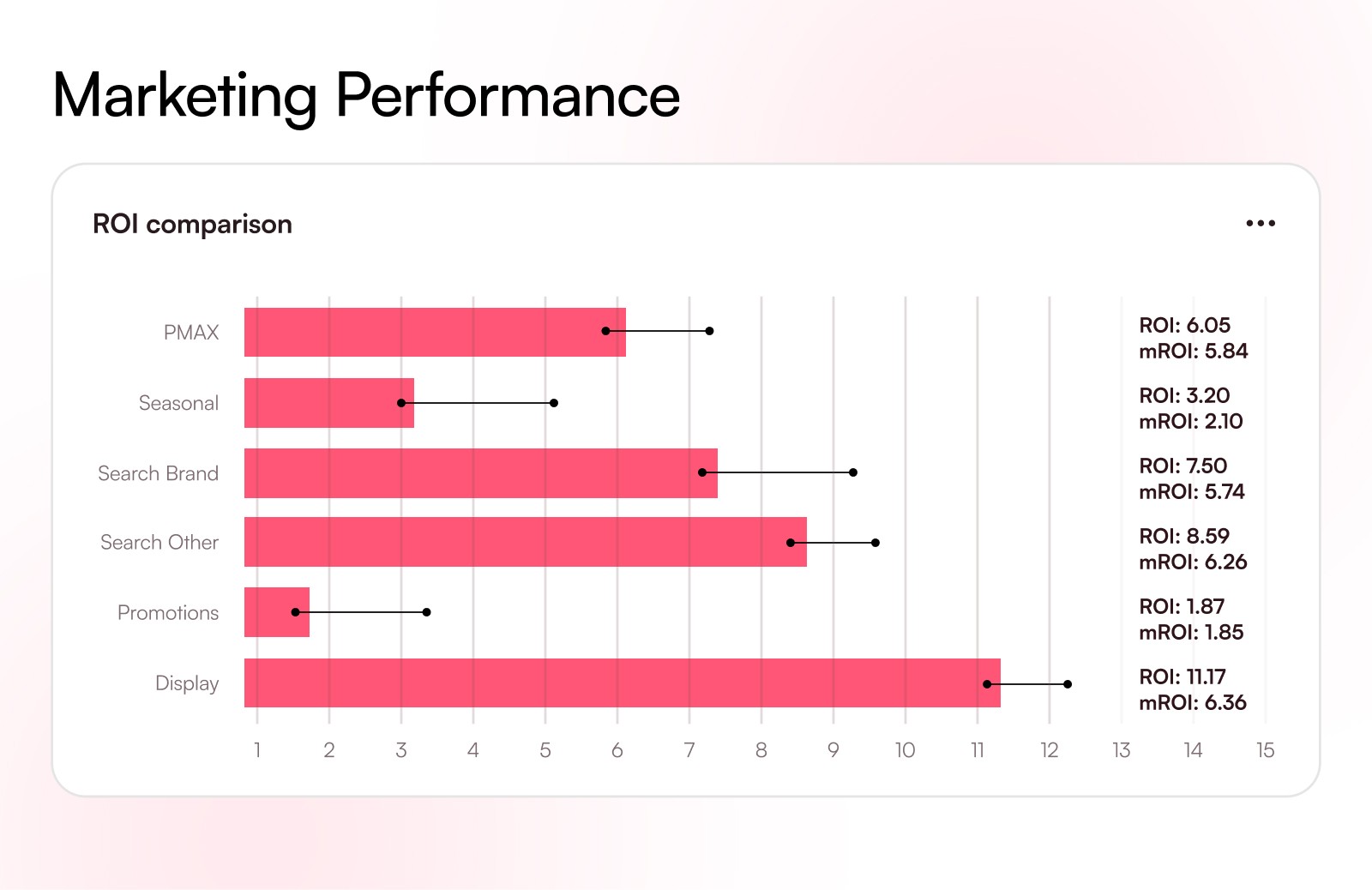
See how sure each number is
Assess uncertainty in each channel’s measurement and learn what channels require incrementality test calibration.
See where more spend stops paying
Learn in which channels you are over investing and where there are growth opportunities

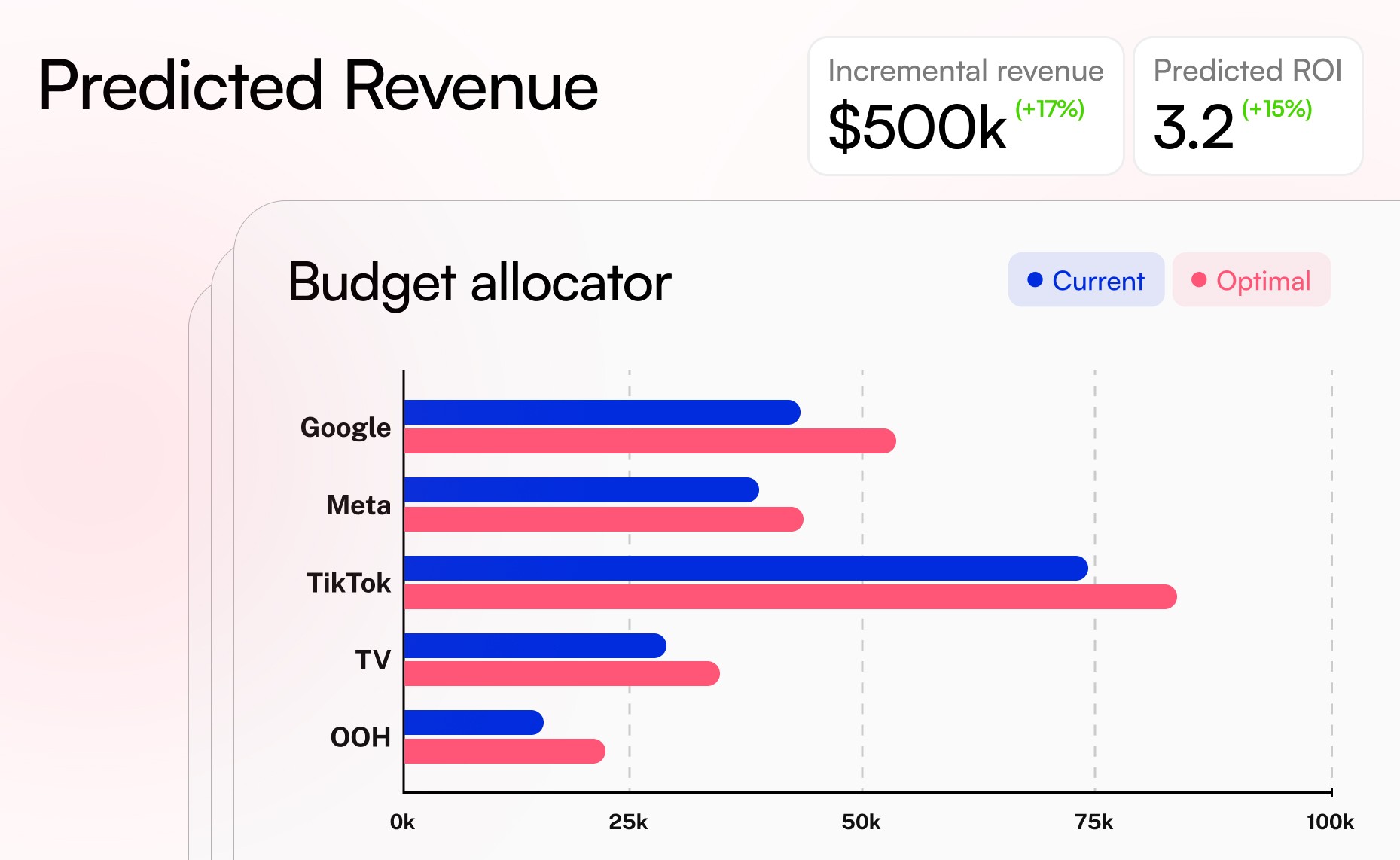
Optimize your media distribution
Compare media allocation scenarios and their forecast ranges. Choose a plan that fits your goals and constraints.
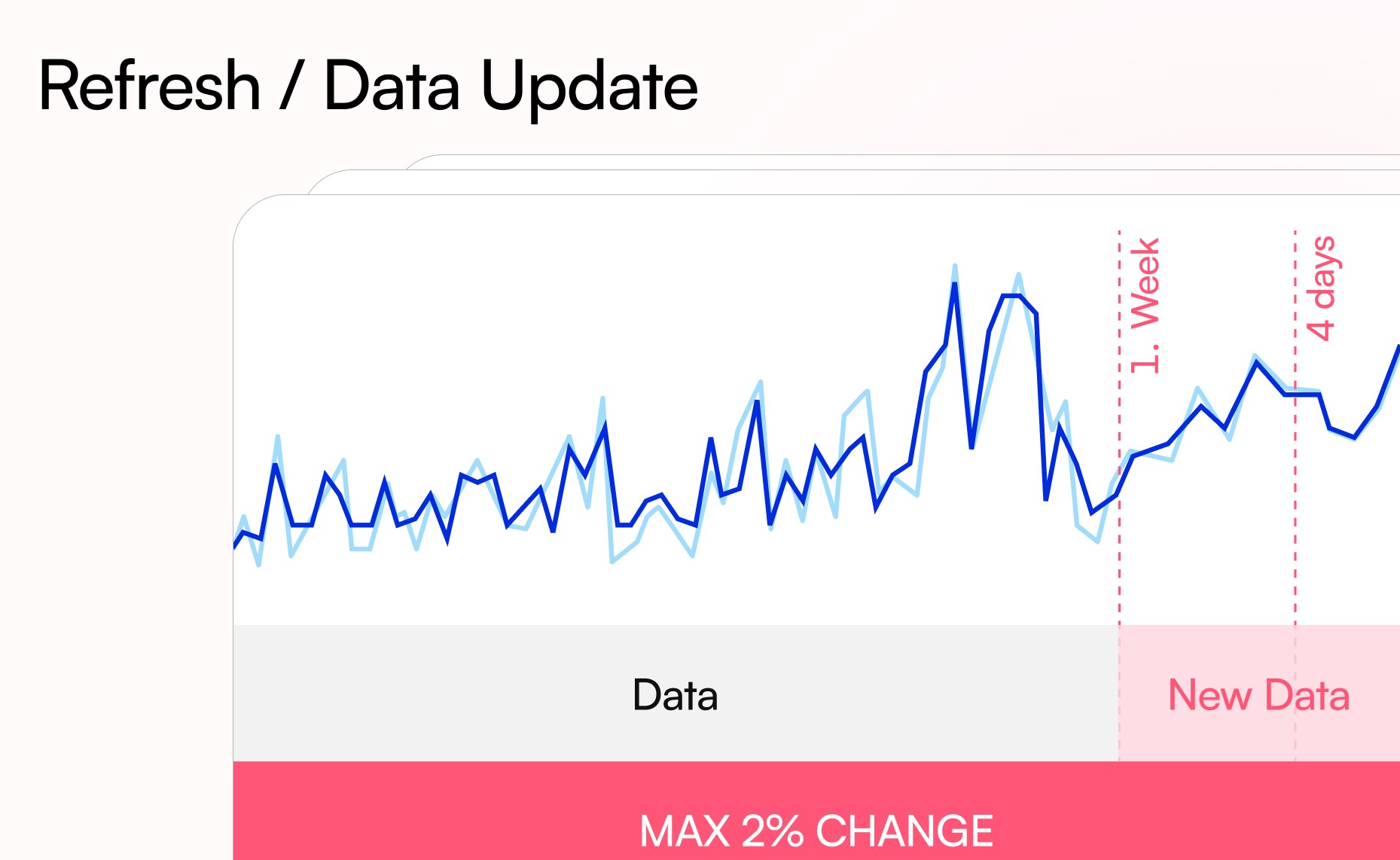
Frequent refreshes
Refresh your MMM monthly, validate your forecasts, Calibrate your MMM with incrementality test data and improve your MMM robustness.
Cassandra's process
MMM informs the plan. Within your rules, Cassandra agents apply supported budget changes and learn from results. Offline media can be measured; execution depends on supported connections.
Use MMM evidence to prepare a budget plan. Cassandra implements supported budget changes within your workspace permissions, then checks what happened against the saved prediction.
Available actions depend on your connected workspace and permissions.
See how the result is checked →
Example execution
Illustrative
Budget plan prepared
Prepared
Required approval received
Approved
Supported budget change applied
Implemented
Confirm the scope and permissions. Request approval where your workspace rules require it.
Compare the observed result with the saved prediction. Keep supported findings and open questions for the next decision.
Causal evidence. A clear plan. Permissioned action. A result to learn from.